
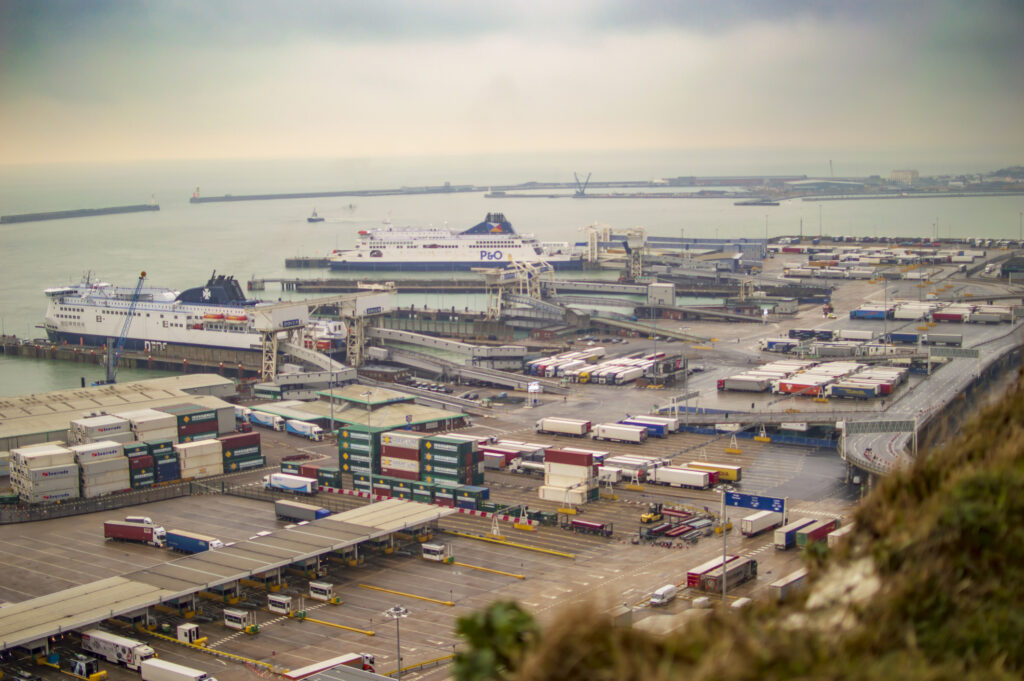
Transit is one of those details that only feels small when it is working
Plenty of traders talk confidently about imports, exports, and road freight, then become a little hazy when transit enters the conversation. That is understandable. T1 and T2 work can sound technical, and because it often sits behind the main commercial flow, people assume somebody else is dealing with it. Sometimes somebody is. Sometimes nobody really owns it. That is when transit stops being a minor detail and becomes the reason a movement gets awkward.
Zelir Logistics Ltd’s T1 and T2 service page is useful because it treats transit as a normal business need, not as an obscure customs corner. The company explains that it prepares and processes T1 forms for the movement of non EU goods under customs control through Europe and offers broader support for UK and EU traders. Zelir’s road freight page also notes that some EU shipments require customs paperwork such as a T1 transit document. That reminder matters. Transit belongs in the route plan, not after it.
T1 and T2 are really about continuity under customs control
The easiest way to think about transit is to focus on continuity. Goods may need to move from one point to another under customs control before the full customs process is completed at the final place. The transit document helps protect that journey by linking the movement to the right customs status. That is why the paperwork matters so much. It is not ceremonial. It tells the authorities and the operators what kind of movement is taking place and under what control.
For traders, the practical lesson is clear. If your cargo is moving in a way that requires transit, you cannot treat the document as a late add on. The route, timing, and handovers all depend on it. If the references are wrong or the document is missing, the shipment loses one of the key pieces of structure holding it together.
Transit and road freight should be planned at the same time
This is where businesses often trip. They treat the transport booking as the live piece of work and assume the transit side will be solved somewhere in the background. That only works until timing gets tight or an assumption proves false. In reality, a transit movement is a road freight movement with extra customs sensitivity. The truck, the document, the route, and the border plan all need to fit together.
Zelir’s wider service model helps because transit does not sit on its own. The company links T1 and T2 support with Road Freight, Customs Declarations, import services, export services, ENS, and ICS2 related support. That gives clients a much stronger chance of keeping the whole movement aligned. If a route changes, if the collection timing shifts, or if the customs side needs additional information, one joined up provider can see the impact across the job rather than only in one narrow slice.
Why transit still catches people out
The answer is usually familiarity. Teams know the lane. They know the customer. They know the product. A routine starts to feel safe, and because the movement usually works, attention drifts from the exact customs structure sitting underneath it. Then one shipment changes. The origin shifts. The route is different. The timing tightens. A supporting declaration is not where it should be. Suddenly everybody is having a much more intense day than they expected.
Transit is vulnerable to that sort of complacency because it often looks invisible when it is handled well. Yet it is one of the forms of customs control that rewards discipline the most. Small administrative weakness can have a big operational effect.
The handoff points are where risk likes to hide
A transit movement often includes several handoff points. The shipper hands to the haulier. A customs team issues or supports the document. A terminal or border point interacts with the movement. Another customs stage may follow later. Every handoff point is a chance for a mismatch. The wrong reference can be passed. A party can assume another party holds the final version. A timing change can happen without the customs implication being understood.
This is another reason why one point of contact and clear accountability matter so much. Zelir’s service approach emphasises personal handling and named contacts, which fits the real risk profile of transit. The fewer unclear handoffs you have, the more stable the movement tends to be.
Transit does not replace good declaration habits
Sometimes businesses think that once the transit document is arranged, the hard part is over. It is not. Transit sits alongside the broader customs picture. Import declarations, export declarations, ENS filings, and related data obligations still matter where relevant. HMRC guidance on entry summary declarations and the wider EU ICS2 framework reinforce the general direction of travel. Customs authorities want better information and stronger control across the life of the shipment.
That is why transit should be seen as one piece of a larger customs chain. A provider that understands the chain is better placed to keep the movement from fragmenting into separate tasks. Zelir’s service mix does that well by holding declarations, transit, and freight support close together.
What traders should tighten first
Start by making transit responsibility explicit. Who decides that a T1 or T2 is needed. Who arranges it. Who checks the references. Who updates the movement if the route changes. If the answer is fuzzy, the process is too fragile.
Then look at timing. Is the transit work being triggered early enough to support the route and collection plan, or is it being rushed in the final window before departure. Finally, check communication. Does the haulier receive the right references in time. Does the customs side hear about live changes. Does your own team know whom to call if a question arises on the move.
These basics are not glamorous, but transit runs on basics.
Final thought
T1 and T2 should not be treated as obscure customs extras. They are part of the real mechanics of moving goods under customs control across the UK and EU. Zelir Logistics Ltd is well placed because the company combines transit expertise with Road Freight, Customs Declarations, Import Clearance, Export Clearance, and wider border support. That means clients can manage transit as part of a coherent movement plan rather than as a last minute paperwork exercise.
And that is the shift traders need. Less mystery. Less assumption. More control. Transit becomes far easier once it is treated with the same seriousness as the trailer booking it supports.
Internal links
- T1 & T2 Clearance Services
- Road Freight Services
- Customs Declaration Services
- Import Declaration Services
- Export Declaration Services