
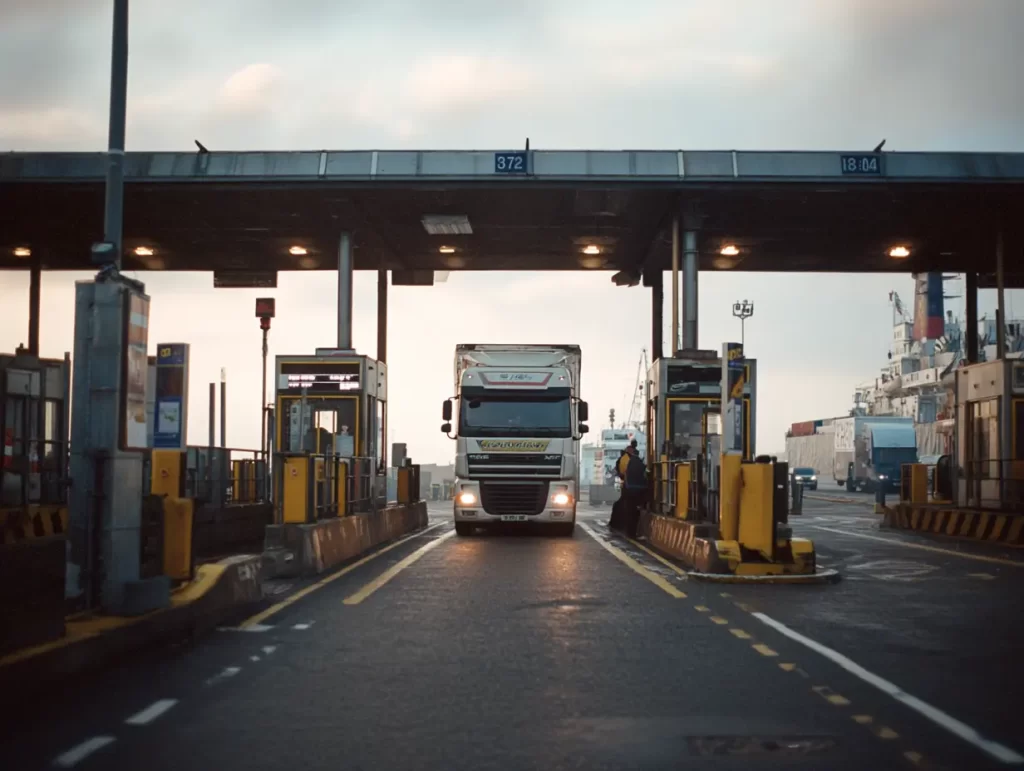
Import Clearance should feel controlled, not lucky
When an import clears smoothly, people often treat it like the normal outcome. When it gets delayed, they treat it like bad luck. Most of the time, neither view is quite right. Import clearance is rarely about luck. It is about preparation, ownership, and document quality. If those things are strong, the shipment usually moves. If they are weak, the border has a habit of exposing the problem at the worst possible time.
That is why Import Clearance needs more respect inside a business than it often gets. It is not a clerical step after the commercial deal has already been done. It is the point where the commercial deal has to stand up in front of customs, transport systems, and border controls. Zelir Logistics Ltd frames its services around that reality. The company’s live site covers import declarations, customs declarations, transit documents, ENS, ICS2, and road freight support in one connected offer. That is exactly how importers should think about the job.
The import declaration is the visible tip of a bigger process
Zelir’s import declaration page explains that the business supports Entry in Declarant’s Records, Full Frontier Declarations, and Simplified Frontier Declarations for UK and EU trade. That is useful because it shows how many importers still talk too loosely about declarations. They say “the import entry” as if there is only one version of the task. In practice, the route and process need to fit the shipment.
Before a declaration is ever submitted, a chain of smaller decisions has already shaped the result. Has the supplier paperwork arrived on time. Is the commercial invoice specific enough. Are the values and goods descriptions clear. Has the consignee information been checked. Does the transport booking reflect the same shipment details the customs team is working from. These are not small admin points. They are the raw material of clean import clearance.
When that raw material is weak, the declaration struggles. When the declaration struggles, the truck waits.
Data quality is still the biggest hidden issue
Businesses often assume border delay is caused by the border itself. Sometimes it is. But quite often the issue starts much earlier with weak data. A vague goods description can trigger questions. A missing supporting reference can hold up release. A value mismatch can force a review that nobody planned for. Even a simple party detail error can create a round of rework at exactly the moment the shipment should be flowing.
This is one reason why businesses that import regularly tend to value experience over theatre. A good customs partner does not just move fast. They spot where the data is thin and ask better questions before the shipment reaches the control point. Zelir’s service language leans into that practical role. It talks about handling the required documentation, keeping declarations accurate, and helping businesses stay compliant across UK and EU trade. Those are the quiet habits that keep imports moving.
Import Clearance and Road Freight are tied together
Importers still lose time when customs and transport are treated as separate worlds. The freight team books collection and delivery. The customs team files the entry. Both assume the other side will raise any issue that matters. That arrangement only works when everything is clean and predictable. The moment something changes, the split becomes expensive.
Zelir’s operating model helps because road freight and customs support sit close together. The business does not only arrange the truck. It can also handle Customs Clearance, import declarations, transit support, and safety related filing where needed. That means the same provider can see the collection plan, the border timing, and the declaration requirements in one place.
This joined up view matters more than many businesses realise. If an import declaration needs extra data, the transport timing may need adjusting. If a route changes, the customs documents may need review. If a shipment is moving under transit, the freight plan and customs status need to stay aligned from start to finish. None of that is easier when the job is split into isolated tasks.
The supplier side matters more than importers think
A lot of import pain begins with the supplier document set. If the commercial invoice is vague, if the packaging data is incomplete, or if references arrive late, the importer inherits the problem whether they caused it or not. This is why strong importers treat document standards as part of supplier management, not only as a customs issue.
That may sound obvious, but it changes behaviour. Instead of waiting for bad paperwork to appear and then rushing to fix it, you build clearer supplier instructions from the start. You set expectations about invoice quality, commodity detail, and timing. You reduce the number of times your broker has to chase basic information. The result is not only better customs performance. It is a calmer inbound supply chain.
A customs partner with advisory strength can help here. Zelir includes advisory support in its customs offer, which is valuable because many businesses do not need another portal. They need somebody to point out where the weak spots in their import process actually sit.
Transit, ENS, and related filings still shape the outcome
Import clearance is often discussed as if it lives alone, but the wider customs picture still matters. Zelir’s site links import declarations with T1 and T2 transit services, ENS and safety filings, and ICS2 support. That is useful because many import movements involve more than one customs action. If the cargo is moving under transit or if a safety and security requirement applies, the importer cannot afford to look at the import declaration in isolation.
HMRC’s current guidance on entry summary declarations and ICS2 shows how some movements require safety and security data ahead of arrival. The European Commission’s ICS2 overview reinforces the same principle for EU bound goods. The lesson for importers is simple. Border readiness is now wider than the import entry itself. A provider that understands the full customs chain is better placed to keep the movement steady.
What good Import Clearance looks like in practice
It looks less dramatic than people think. The documents arrive early. The product descriptions make sense. The customs route has been chosen properly. The haulier and customs team are looking at the same shipment details. Questions are raised before the truck reaches the border, not after. If something changes, one responsible person coordinates the update across the movement.
That is the kind of process Zelir’s service mix supports. The company combines freight forwarding, road freight, import and export customs services, and border related support in a way that reflects the real life shape of the problem. For busy importers, that matters far more than flashy language.
If your imports feel unpredictable, the answer is rarely to hope for kinder border conditions next week. The answer is to tighten the process that feeds the border. Strong Import Clearance comes from better data, better document timing, and better coordination between customs and transport. Zelir Logistics Ltd is built around that joined up approach, which is why it makes sense for businesses moving goods between the UK and EU.
Imports do not have to feel like guesswork. But they do need structure. Once you respect that, the whole flow becomes easier to trust.
Internal links
- Import Declaration Services
- Customs Clearance Services
- Customs Declaration Services
- T1 & T2 Clearance Services
- Road Freight Services