
The Difference Between Leaving and Leaving Cleanly
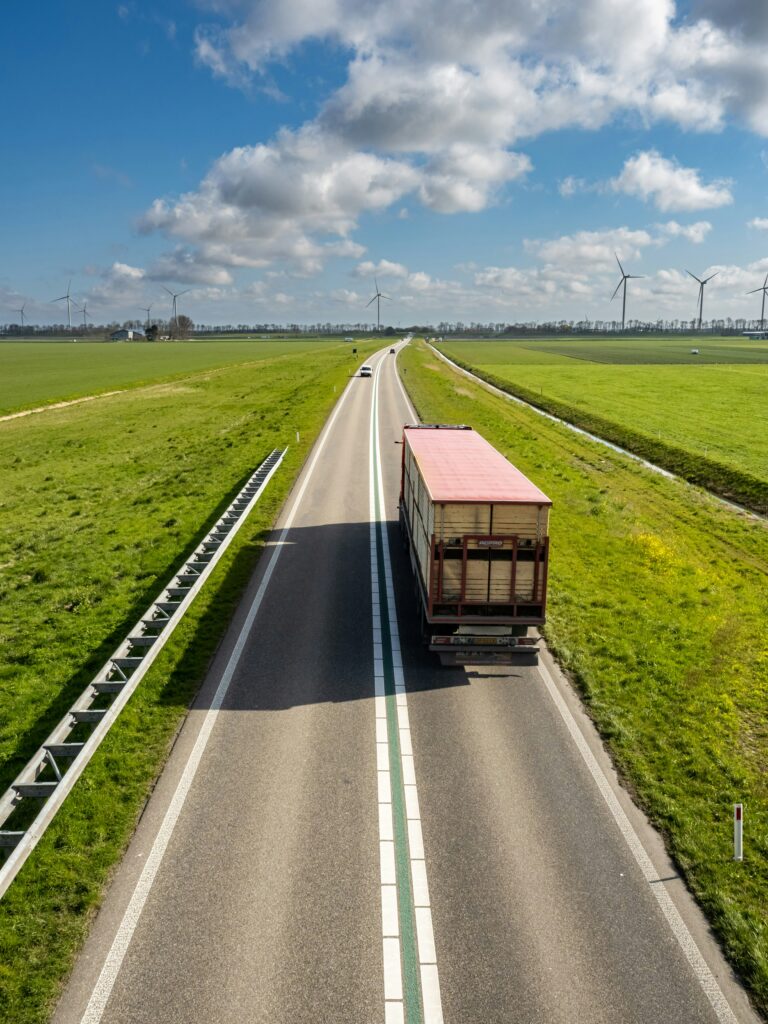
A truck can depart and still not leave cleanly
Exporters often talk about goods leaving the warehouse as if that is the moment the hard work is done. In practice, that is only true when the customs side has been handled properly. A truck can collect on time, reach the port, and still run into avoidable trouble if the export declaration, supporting references, or transport documents do not line up. That is why Export Clearance is not a final admin step. It is part of the movement from the very beginning.
Zelir Logistics Ltd approaches exports with that joined up mindset. On the live site, the company offers export declaration submission, Export Accompanying Document handling, customs coordination, and wider freight support across UK and EU trade. That matters because exporters do not simply need a declaration filed. They need the customs status of the goods to match the physical movement all the way through the route.
Export declarations are about movement, not only compliance
Zelir’s export page is refreshingly practical. It explains that an export declaration is the formal submission covering goods leaving the UK or EU, and that the Export Accompanying Document travels with the goods as proof that the declaration has been accepted. It also highlights coordination with freight forwarders, hauliers, and customs offices. That last point is where the operational value sits.
Many businesses treat export declarations as if they belong only to the customs desk. They do not. The declaration affects the transport plan, and the transport plan affects the declaration. If collection times move, if goods are split, if routing changes, or if the wrong supporting reference is attached, the export process can get messy quickly. A clean export needs more than legal compliance. It needs alignment.
The EAD is not a small detail
The Export Accompanying Document often gets described briefly and then forgotten. That is a mistake. In real operations, the EAD is one of the documents that helps the physical movement stay connected to the customs process. If an exporter is casual about that step, the problem can show up later when nobody has the patience for avoidable surprises.
This is why exporters benefit from a broker that does more than submit data. Zelir’s service structure suggests the team is set up to manage the wider job, not simply the filing event. For busy exporters, that matters. You need a provider who sees what the warehouse sees, what the driver needs, and what customs expects, all at the same time. Otherwise the shipment leaves on paper but not in a clean operational sense.
Weak export data causes strong downstream pain
Most export problems do not start with dramatic system failures. They start with basic details that were not treated seriously enough. Product descriptions are too vague. Values are inconsistent across documents. The consignee detail is incomplete. Somebody assumes the haulier has the right references when they do not. None of these issues look huge in isolation. Together, they can slow the whole move and create a lot of rework.
This is one reason why mature exporters obsess over boring things. They know the boring things are what keep the shipment from becoming exciting in all the wrong ways. It is also why a customs partner should be willing to challenge weak information before the movement begins. Fast filing does not help if the quality of the data is poor. Accuracy still does the heavy lifting.
Exporters need tighter links between sales, warehouse, and customs
A healthy export process is not built by the customs team alone. Sales teams need to know that vague commercial paperwork hurts border performance. Warehouses need to understand that changes to loading or shipment split can affect the customs side. Transport teams need to keep customs in the loop when timings move. In other words, export control is cross functional whether people like it or not.
That is one of the reasons joined up providers are useful. Zelir combines freight forwarding, road freight, customs declarations, and transit related services in one operating model. That makes it easier for clients to keep the right information moving between the right people. One provider cannot fix every internal weakness inside a shipper’s business, but a good one can stop those weaknesses from multiplying at the border.
Export Clearance and Road Freight should be planned together
If you export into Europe by road, the declaration and the route should be part of the same conversation. A direct, urgent movement may need a different handling rhythm from a shared load. A time critical delivery window may change when documents need to be available. A transit leg may introduce extra steps. These are not rare edge cases. They are normal features of live trade.
Zelir’s road freight offer is useful here because it covers pallets, part loads, full trailer loads, and time critical jobs. When the same provider also handles export declarations and related customs work, the shipment is easier to manage as one event. That reduces the classic handoff problem where the truck is ready but the documents are not, or the declaration is filed but the transport update never reaches the customs side.
The current customs climate rewards discipline
HMRC’s current guidance on ICS2 and entry summary declarations, along with the wider EU ICS2 framework, reinforces a broader trend. Customs authorities want cleaner information earlier in the process. Exporters should read that as a signal. The businesses that perform best are not the ones that scramble hardest on the day. They are the ones with clearer routines before the day begins.
That means building export document checks into normal workflow. It means confirming responsibility for the declaration, the EAD, and any linked transport paperwork before collection is booked. It means making sure commercial documents describe the goods properly. It means treating late changes as important customs events rather than casual operational updates.
What exporters should ask themselves now
Who owns the export declaration for each lane. When is the EAD available. What happens if the shipment changes after the booking is made. Does the warehouse know when a customs relevant change has happened. Does the haulier receive the right references early enough. Can your current broker advise on process, or do they only react once a problem appears.
Those questions are not dramatic, but they tell you whether your Export Clearance setup is mature or fragile.
Final thought
The difference between a shipment leaving and leaving cleanly is usually found in the details. Strong Export Clearance depends on joined up planning, good document quality, and a customs partner who understands the physical movement as well as the filing requirement. Zelir Logistics Ltd fits that need because it connects export declarations, freight forwarding, road freight, transit support, and wider Customs Clearance into one practical service model.
For exporters, that means fewer loose ends and a much better chance that the shipment does what it was supposed to do in the first place. It leaves. And it leaves cleanly.
Suggested internal links
- Export Declaration Services
- Customs Declaration Services
- Road Freight Services
- T1 & T2 Clearance Services
- What is Customs Clearance?